.png)


How Breakups Can Bring Out the Worst in People
- 4 days ago
- 4 min read
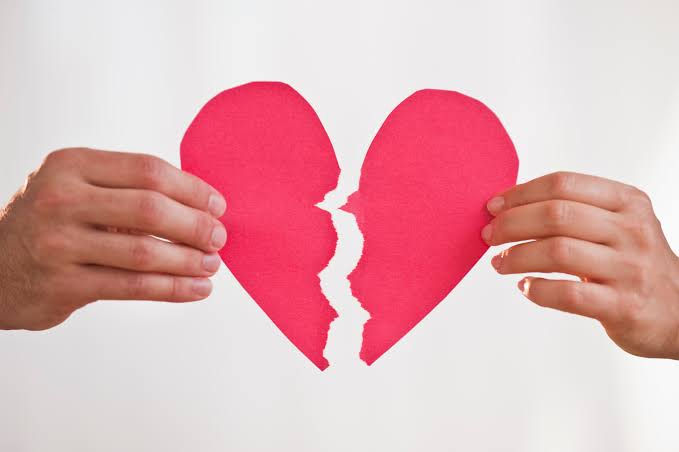
Breakups have a way of bringing out emotions that people don’t always realise are there.
They can trigger fears, insecurities, old wounds, anger, resentment, and pain that someone may have been carrying long before the relationship even ended. And when those emotions come to the surface, people can sometimes react in ways that don’t reflect who they truly are, but instead reflect where they are emotionally at that moment.
A breakup is one of those experiences that can bring people face-to-face with themselves. It can force you to look at things you may not want to look at. It can bring up questions around your choices, your patterns, your behaviour, your expectations, and the role you played in the relationship.
And for many people, that level of self-reflection is very uncomfortable.
It’s much easier to look outward than it is to inward.
It’s easier to point the finger. It’s easier to focus on everything your ex did wrong. It’s easier to stay in the mindset of “look what they did to me” than to ask yourself, “What can I learn from this?”
That doesn’t mean your hurt isn’t valid. It doesn’t mean you weren’t treated poorly. It doesn’t mean you don’t deserve to acknowledge the pain you experienced.
But there is a difference between acknowledging your hurt and allowing your hurt to become your entire identity.
And this is where so many people get stuck.
They become attached to the story of what happened. They get stuck on the betrayal, the arguments, the disappointment, and the moments that broke them. They stay focused on their ex, what their ex did, what their ex is doing now, and how unfair everything feels.
Over time, the breakup becomes the centre of their life story.
But your breakup is not who you are.
Your breakup is one chapter of your life. It is one experience. It is something that happened to you, but it does not define you.
The danger comes when someone stops seeing the breakup as something they can learn from and starts seeing it as proof of why they should stay angry, stay bitter, or stay stuck.
And unfortunately, social media can make this even harder.
We live in a time where negativity spreads way too quickly. There are endless posts encouraging blame, anger, revenge, and hatred. It has become way too easy to consume negative and hateful content, relate to it, and feel validated in staying in that mindset.
Because for some negativity feels comforting.
It feels easier to stay angry than it does to heal.
It feels easier to blame than it does to reflect.
It feels easier to tell yourself a story where you are completely powerless, where it wasn’t your fault than it does to acknowledge the parts of your life that you can acknowledge and grow from.
But the problem is, staying in that mindset doesn’t hurt your ex. It doesn’t change what happened. It doesn’t undo the past.
It only keeps you trapped in it.
I see this often when working with people after a breakup. The biggest growth happens when someone stops asking, “Why did this happen to me?” and starts asking, “What can I do differently moving forward?”
That is where healing happens.
That is where you start taking your power back.
A breakup can bring out the worst in people when they refuse to look deeper. When they refuse to understand their own emotions. When they refuse to acknowledge their triggers. When they refuse to see what they can learn and how they can grow.
And quite often, that pain gets projected onto other people.
It comes out through constant criticism, anger, hate, blaming an entire gender, attacking others online, or trying to make other people feel the same hurt they are carrying.
But those reactions are often not about the person they are attacking.
They are about the pain they haven’t processed.
They are about the wounds they keep pushing aside and haven’t addressed.
They are about the parts of themselves they haven’t been willing to face yet.
That doesn’t mean hurtful behaviour should be excused.
But understanding where those reactions come from is often the first step towards changing those reactions.
Because the alternative is staying stuck in the same cycle.
The cycle of anger.
The cycle of blame.
The cycle of constantly looking backwards instead of building forwards.
The truth is, your breakup can either become the thing that breaks you, or it can become the thing that pushes you forward to something bigger and better.
It can be the moment where you finally start understanding yourself on a deeper level. It can be the moment where you rebuild your confidence, reconnect with who you are, and create a life that feels more aligned with the person you want to become.
But that requires looking inward.
It requires being honest with yourself.
It requires asking yourself those difficult questions.
You can choose whether you stay stuck in the story of what happened to you, or whether you start creating the story of where you’re going.
Don’t let your breakup become your identity.
Don’t let the pain, the anger, the betrayal, or the disappointment become the thing that defines who you are.
Because the same breakup that can bring out the worst in you can also become the thing that brings out the best in you.
It all comes down to what you choose to do with it.
You can stay stuck in the blame, the anger, and the hurt, or you can choose to look inward, understand yourself on a deeper level, and learn from what this experience has shown you.
The goal isn’t to forget what happened.
The goal is to make sure what happened doesn’t stop you from becoming the person you’re meant to be.
Your breakup is part of your story.
But it does not have to be the ending.
Ready to work through your breakup emotions, then click the link below and let's get you started.


Comments